Ecoshrimp: Sustainable Shrimp Farming
- Feb 19, 2026
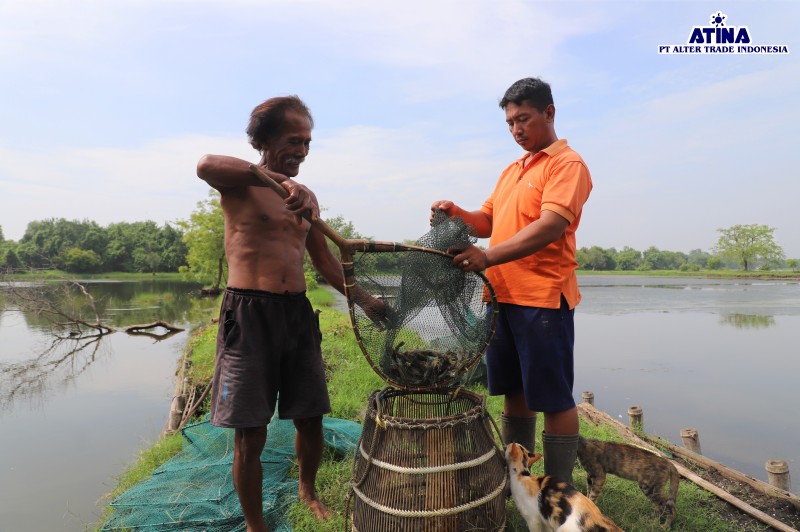
Until now, shrimp farming has often been viewed as an activity that puts significant pressure on coastal ecosystems. Unsustainable farming practices in the past have led to many mangrove areas being converted into ponds, reducing the important role of these ecosystems in maintaining the balance of nature. Through Ecoshrimp, ATINA is trying to prove that shrimp farming can be done differently—in a way that is in harmony with nature.
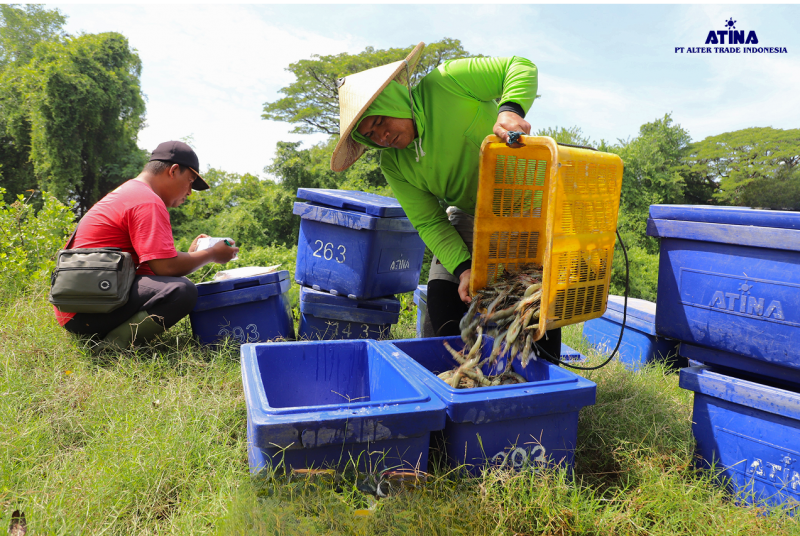
Ecoshrimp was born from a simple yet important perspective: working with nature, not against it. This approach is applied to black tiger shrimp farming in traditional ponds located in coastal areas, alongside mangrove ecosystems. For Ecoshrimp, mangroves are not an obstacle, but an important part of the system.
The presence of mangroves helps maintain the balance of the pond environment. Naturally, mangroves act as water filters, coastal protectors, and ecosystem buffers. Most importantly, they can absorb carbon. This healthy environment creates more stable conditions for tiger shrimp farming—the water quality is better maintained, the ecosystem is more balanced, and the ponds are more resilient to weather changes.
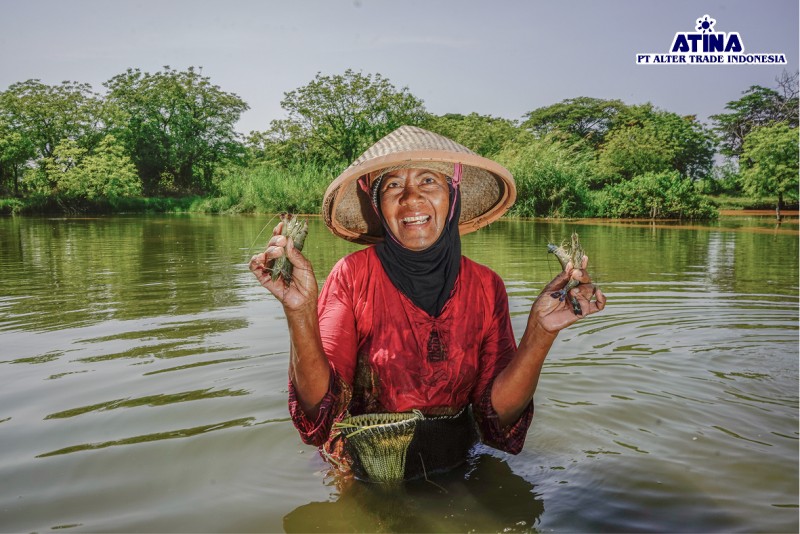
By working in harmony with mangroves, aquaculture becomes more sustainable and provides long-term benefits for both farmers and the environment.
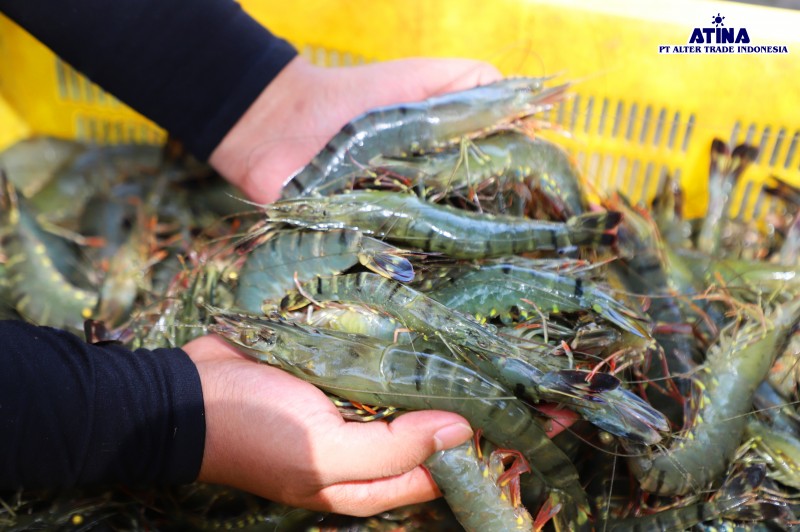
The result is not only high-quality tiger shrimp, but also responsible aquaculture practices. Through Ecoshrimp, ATINA is committed to providing seafood that is not only safe and high-quality, but also contributes to a healthier and more sustainable coastal future.

.jpg)