Ecoshrimp Open Forum: Strengthening Collaboration for Sustainable Shrimp Farming
- May 01, 2026
.jpg)
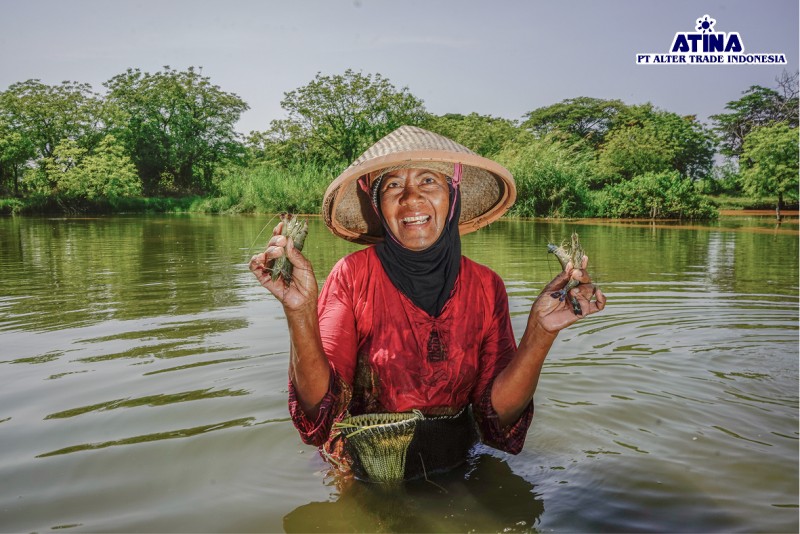
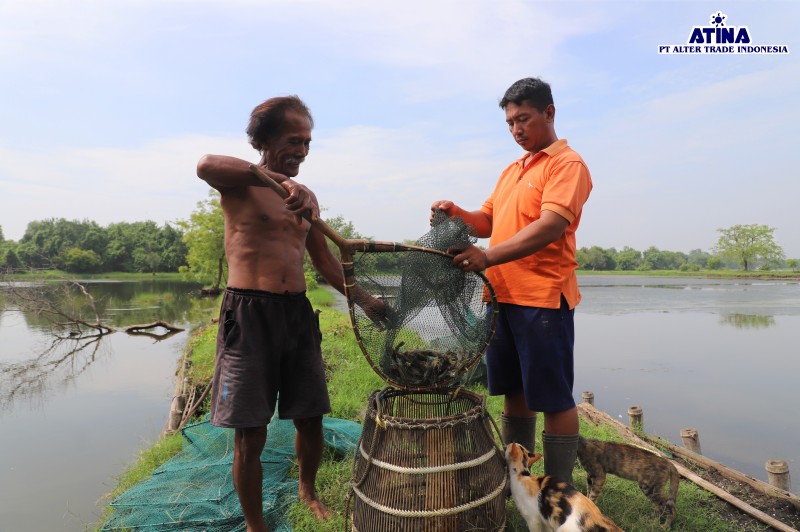
PT Alter Trade Indonesia, together with Pal System, organized the Ecoshrimp Open Forum as part of a shared commitment to supporting environmentally friendly black tiger shrimp farming (Ecoshrimp). Held on April 15–18, 2026, this program provided an opportunity for Japanese consumers to directly observe the farming process, management practices, and sustainability values implemented within the Ecoshrimp system.
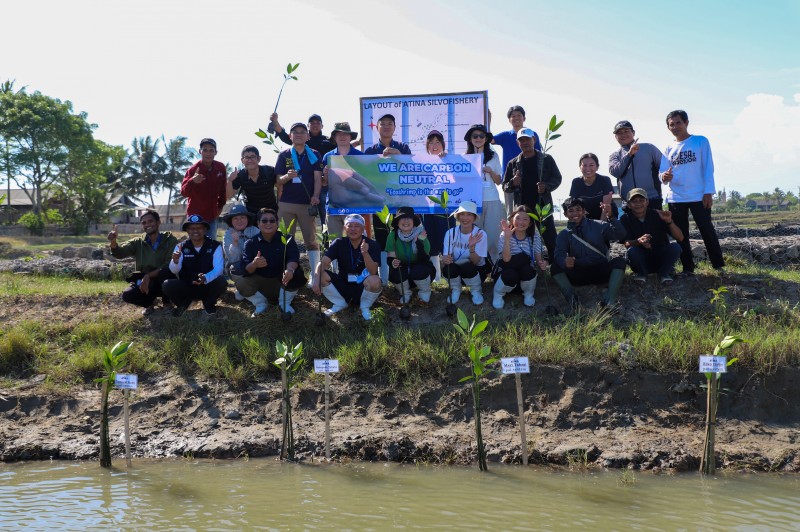
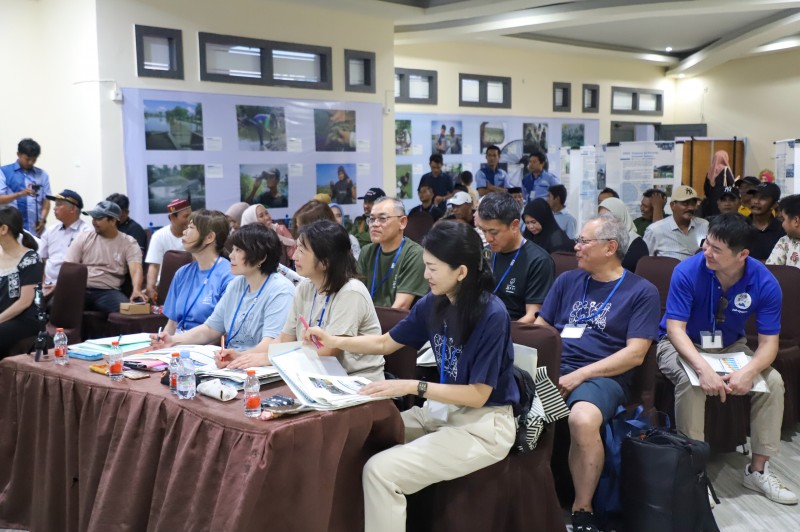
The series of activities began in Pinrang, South Sulawesi. Participants visited Ecoshrimp silvofishery ponds to witness firsthand the cultivation of black tiger shrimp integrated with mangrove ecosystems. They also took part in mangrove planting activities within the pond areas. In addition, participants joined the Ecoshrimp Open Forum, which brought together consumers, ATINA, and Ecoshrimp farmers in an open discussion about the challenges, expectations, and future of sustainable shrimp farming.
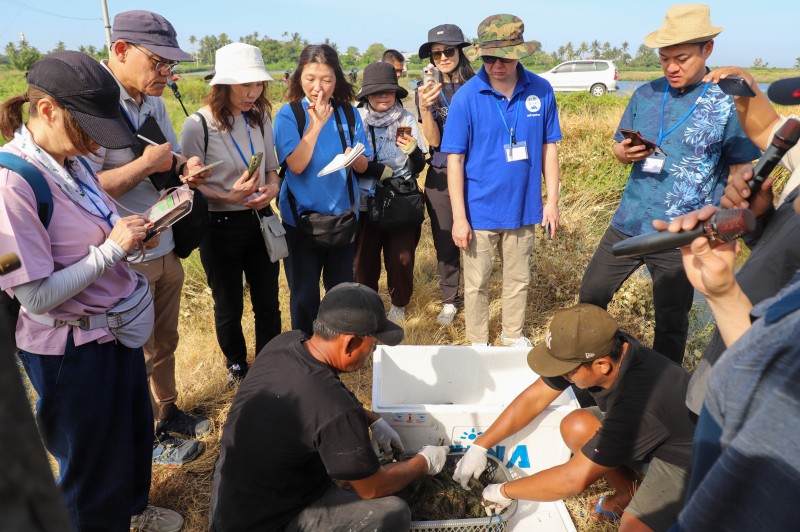
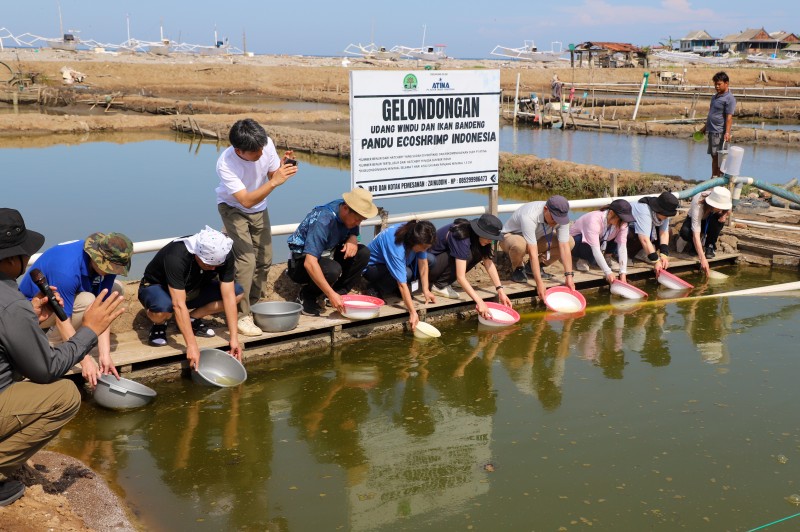
Participants were then invited to visit Ecoshrimp ponds to directly observe the black tiger shrimp harvesting process, from cultivation systems to harvest handling. The activities continued with the joint release of baby black tiger shrimp at Pandu Nursery, where participants also gained deeper insight into the nursery cycle as an essential part of maintaining cultivation quality.
.jpg)
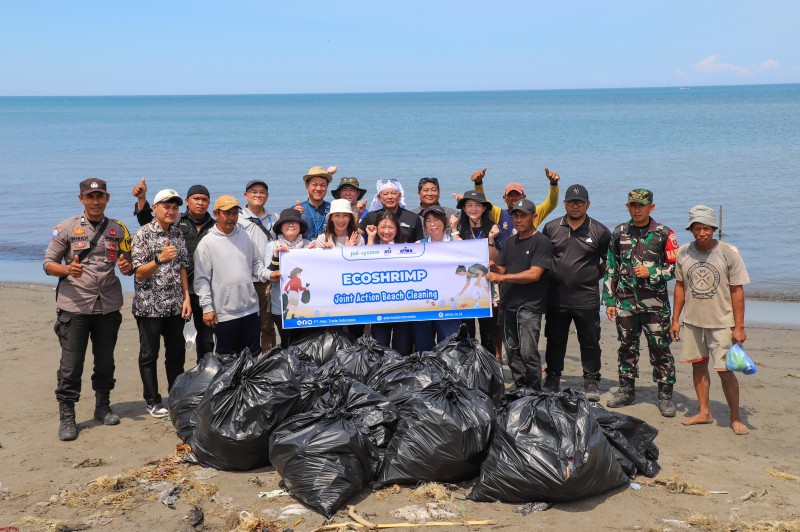
The program not only focused on aquaculture but also highlighted the importance of environmental awareness and coastal community engagement. Together with local residents, participants joined a beach cleanup activity to remove waste carried by ocean currents. This activity symbolized collaboration and shared responsibility in preserving the sustainability of coastal environments.
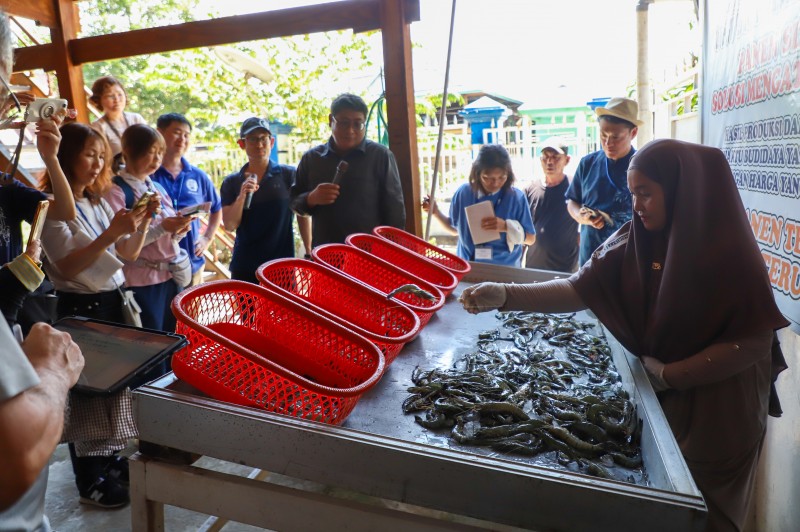
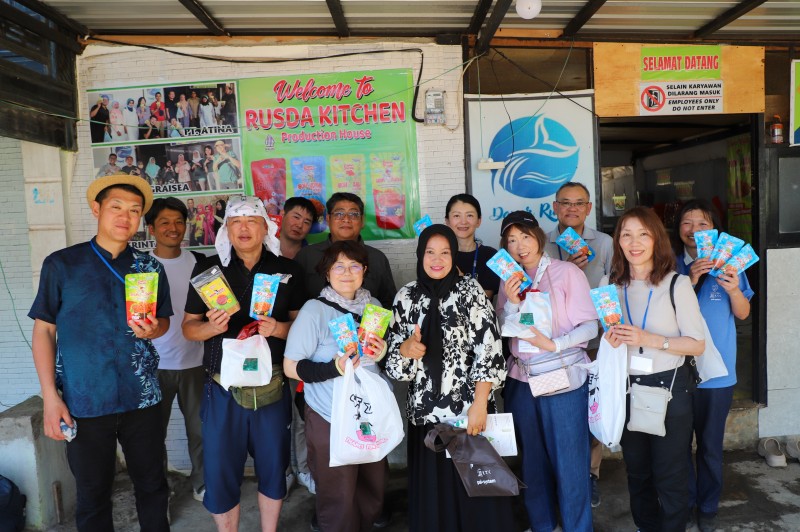
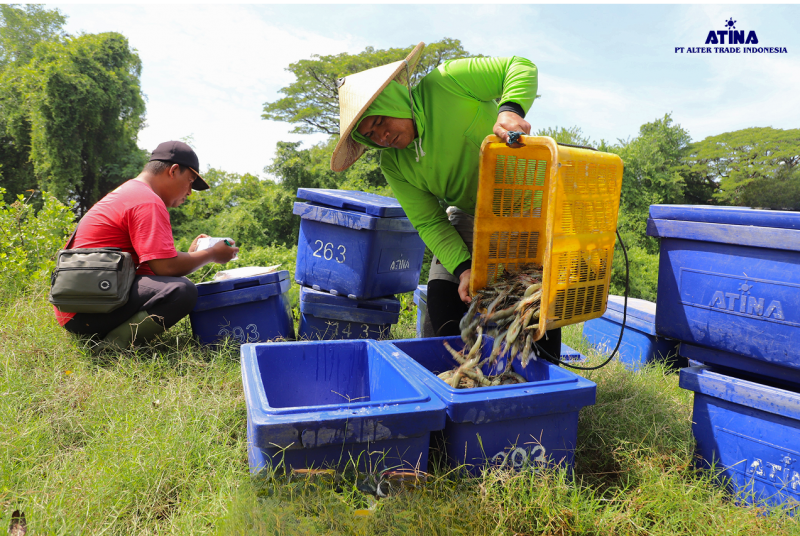
The journey continued with a visit to a pete-pete, one of the collection points in the ATINA Ecoshrimp distribution system. At this location, harvested shrimp are collected, sorted, and undergo quality inspection before being delivered to the ATINA factory. Participants also visited Dapur Rusda, a women’s group that once became a champion in ATINA’s women’s economic empowerment program. The group successfully developed a small-scale industry producing shredded fish, black tiger shrimp, chicken, and beef products. Their presence serves as a concrete example of women’s economic empowerment in coastal communities.
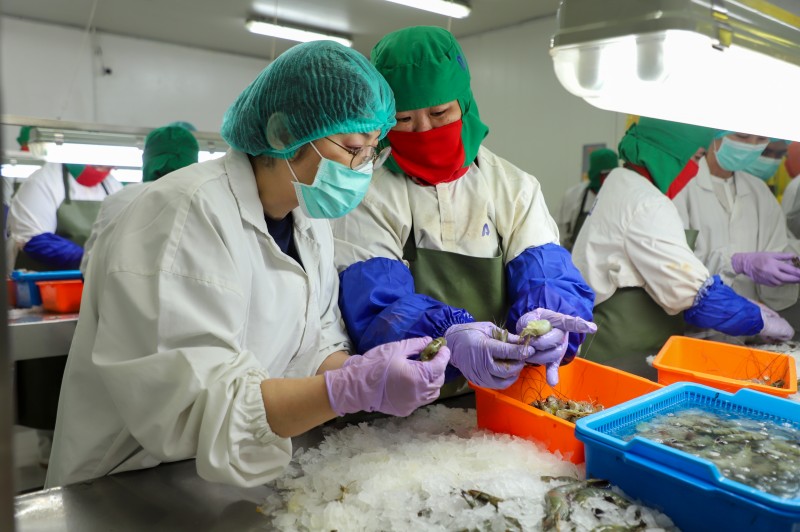
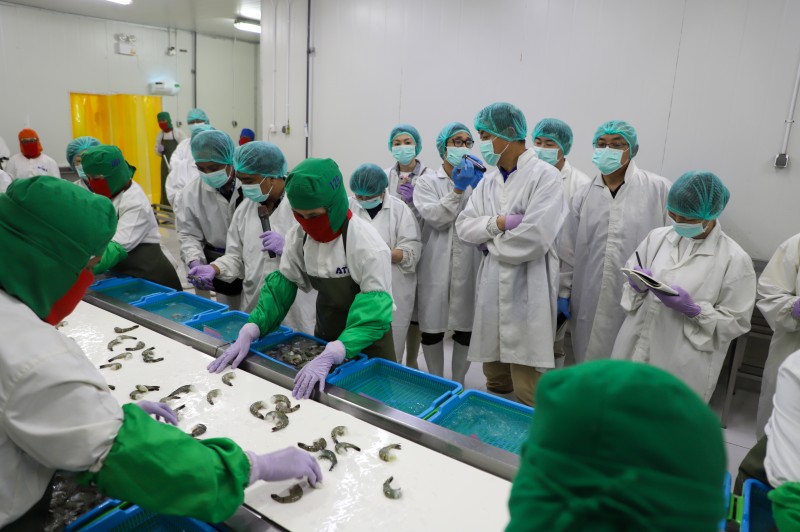
The activities then continued in Sidoarjo, East Java, with a visit to the PT Alter Trade Indonesia factory to observe the Ecoshrimp production process firsthand. During the visit, participants learned how ATINA processes shrimp from raw materials into high-quality products ready to be marketed internationally. The production process is carried out under strict standards to maintain quality, food safety, and product consistency.
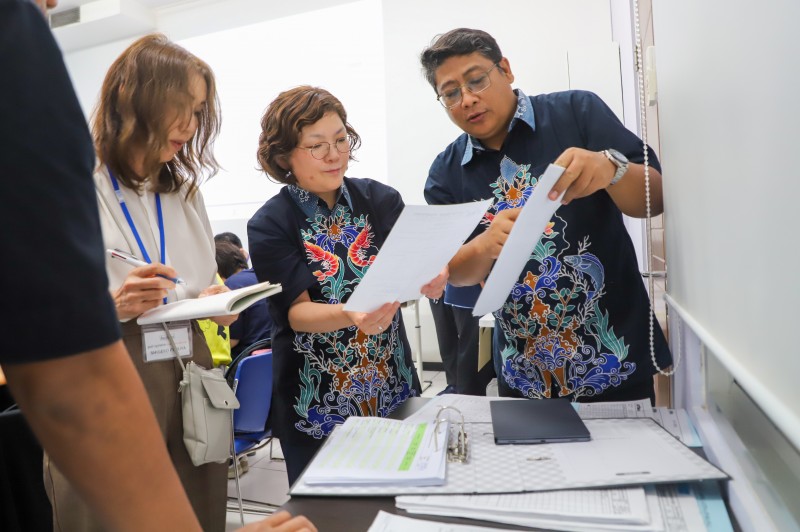
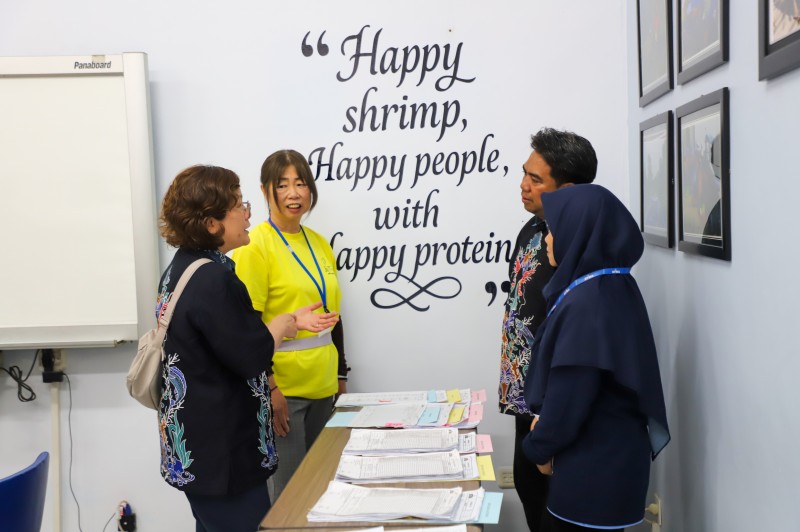
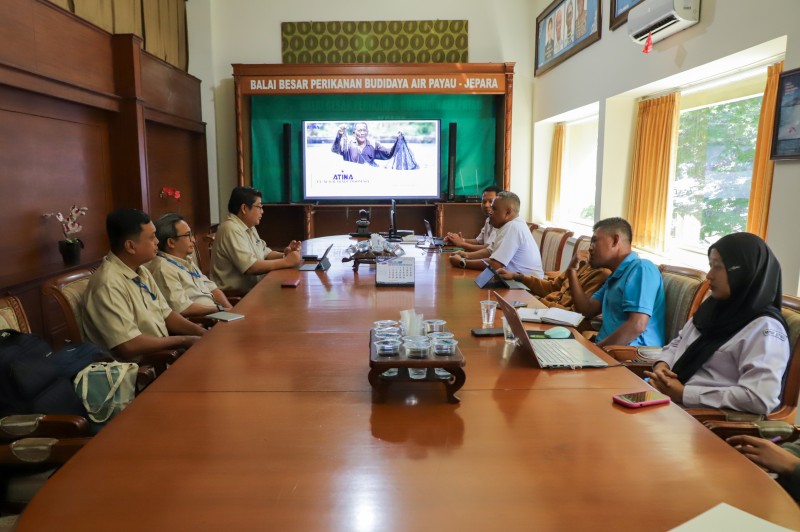
In addition to observing the production flow, participants also took part in a document audit process covering the entire production chain, from cultivation to processing. This activity provided insight into how ATINA maintains transparency, internal control systems, and product traceability as part of its commitment to quality and sustainability.
.jpg)
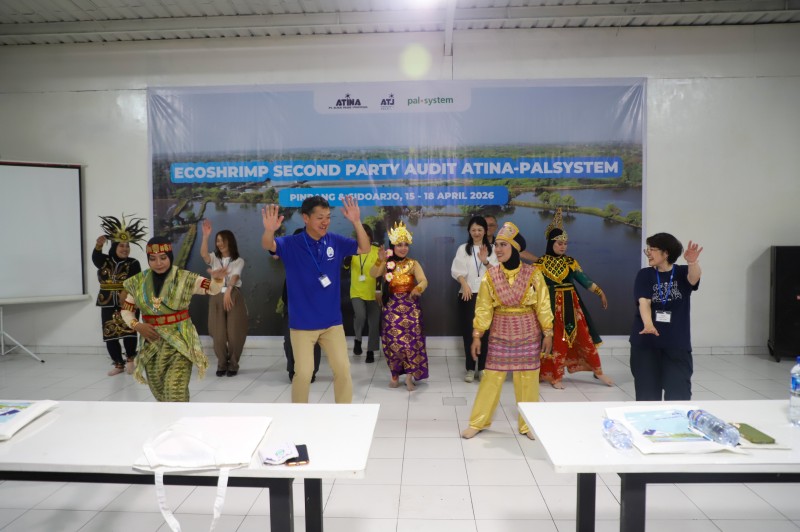
The program concluded with the closing ceremony of the Ecoshrimp Open Forum together with all ATINA employees, followed by a dinner gathering in a warm and friendly atmosphere. This moment became an opportunity to strengthen relationships between consumers, the company, and all parties involved in the development of Ecoshrimp.
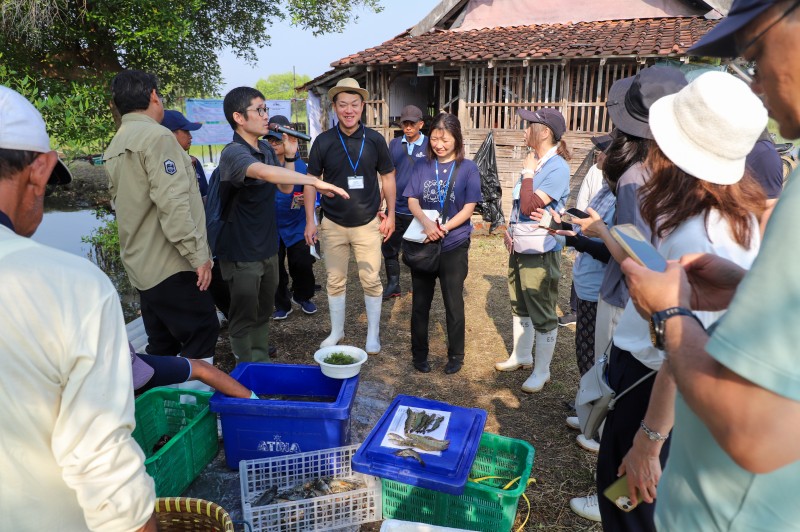
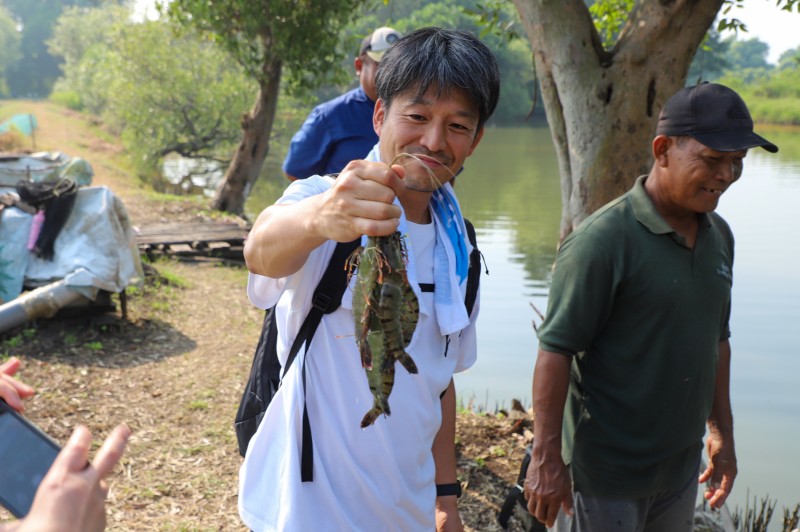
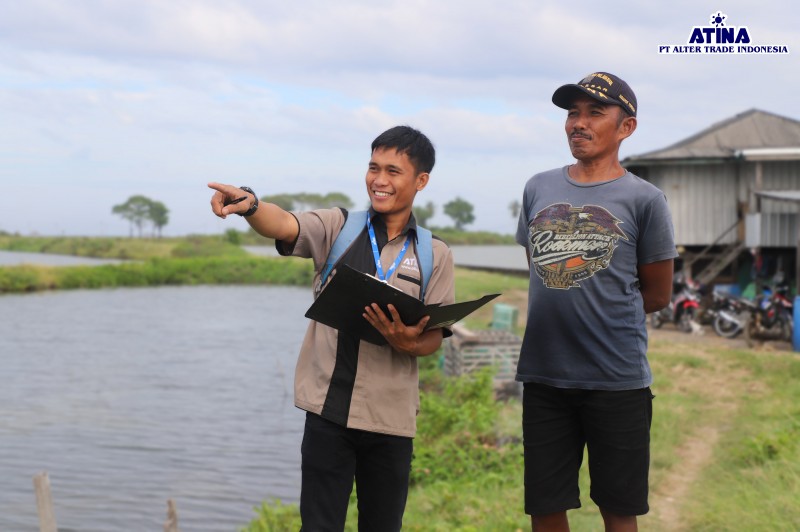
On the following day, participants visited one of the Ecoshrimp pond areas to gain a deeper understanding of ATINA’s Internal Control System and the implementation of the Ecoshrimp traceability system directly at the farmer level. Through interactions with partner farmers, participants gained insight into how sustainable farming standards are consistently implemented from ponds to final products.
Through the Ecoshrimp Open Forum, ATINA and Pal System not only strengthened the relationship between producers and consumers, but also built a shared understanding of the importance of sustainability, transparency, and collaboration in creating a responsible and sustainable shrimp farming system for the future.